Wokingham Roofing Company | Roofers in Wokingham — Re-Roofing, Heritage Slate, Flat & Commercial Roofs
Roof repairs, re-roofs and flat roof specialists across Wokingham. Free surveys, fixed written quotes, tidy workmanship.
Wokingham Roofing Company covers Wokingham, Winnersh, Woodley, Earley, Finchampstead, Bracknell and the villages between them. Re-roofing and new roofs, slate and clay tile work, heritage and conservation-area roofs, EPDM and GRP flat roofs, chimney rebuilds and roofline renewal — surveyed free, priced once, in writing.
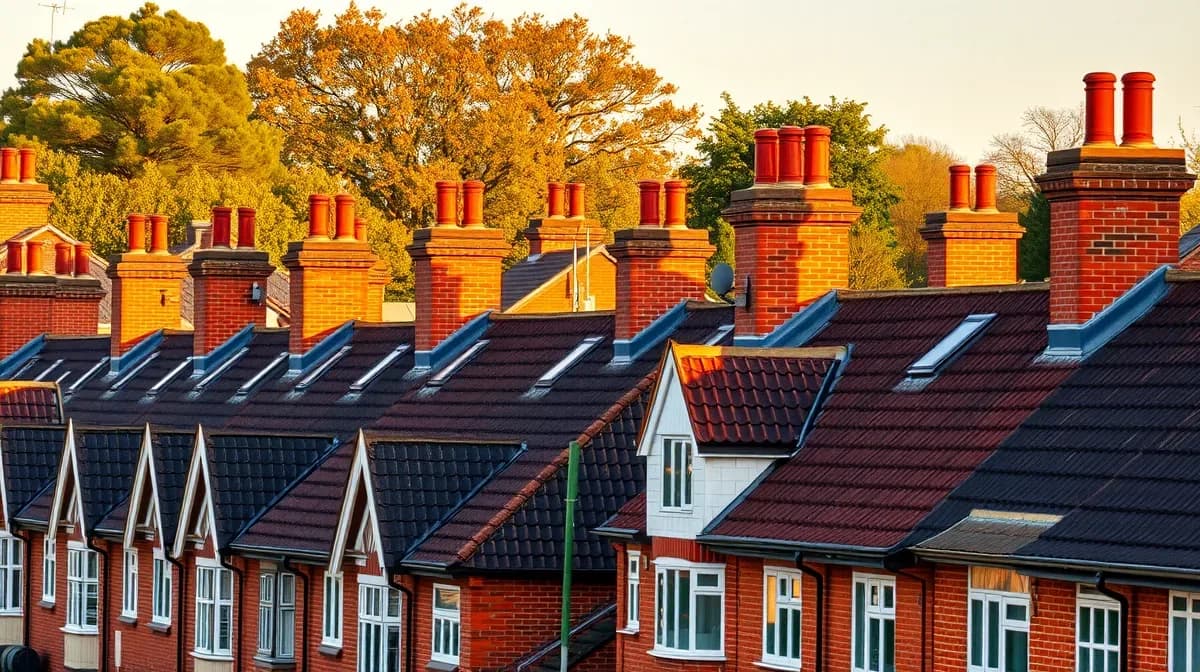
Wokingham is not a one-roof town. The centre holds timber-framed and Georgian buildings inside a conservation area, the Victorian streets around it run to Welsh slate, the 1930s ribbon development is clay plain tile, and Winnersh, Woodley and the newer estates are concrete interlocking. A roofer who only carries one system is guessing on four streets out of five here.
That mix is why we survey before we quote rather than pricing from a photograph. A period roof and a 1990s estate roof can carry the same square meterage and differ by a factor of three in cost, and the difference is almost entirely in what the roof is made of and how you are allowed to fix it.
What we do
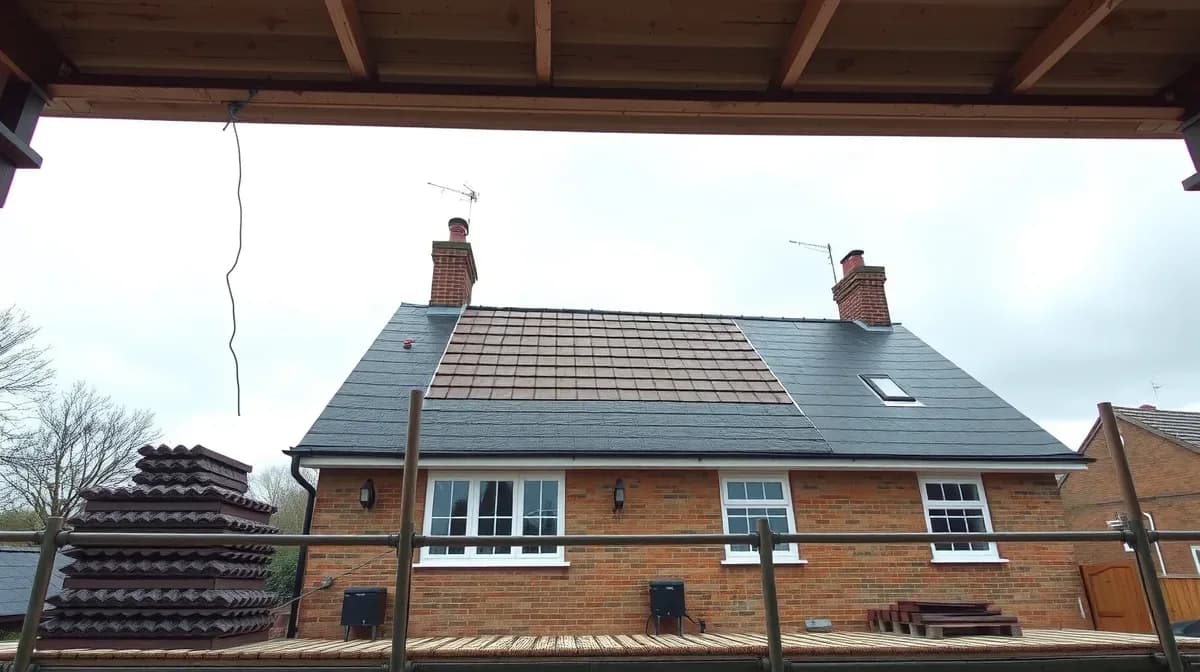
Re-Roofing & New Roofs
Full roof replacement on tile and slate, with modern breathable underlay and mechanically fixed ridge.
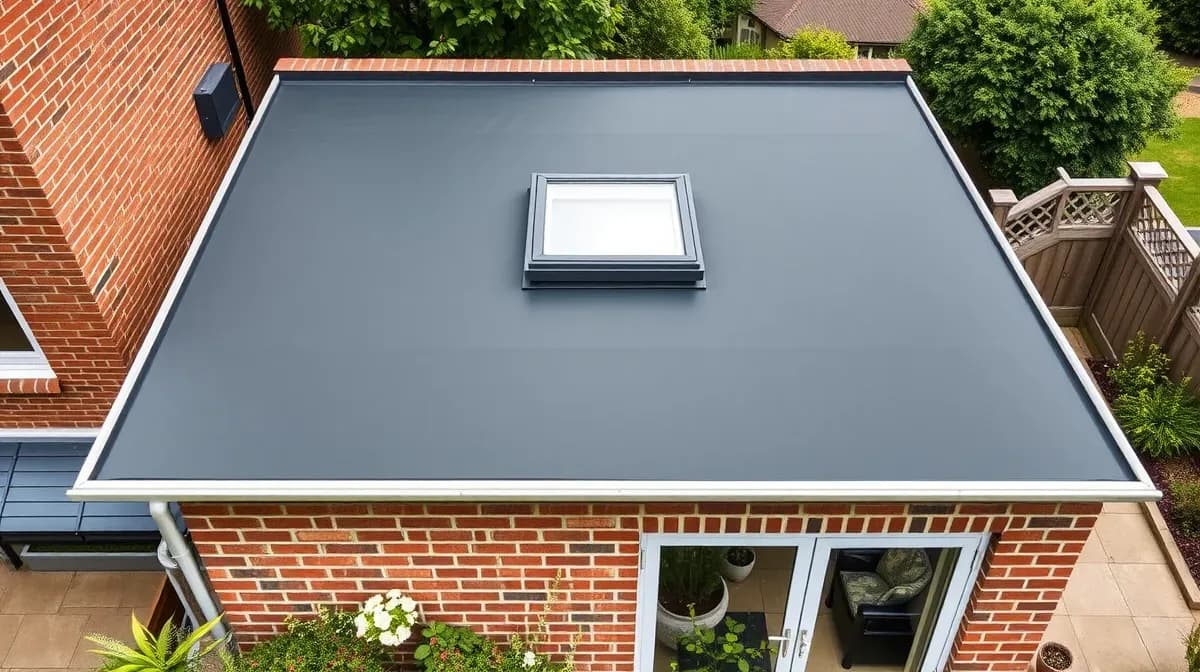
Flat Roofs: EPDM & GRP
Modern membranes that replace tired felt on extensions, garages and dormers for decades, not years.
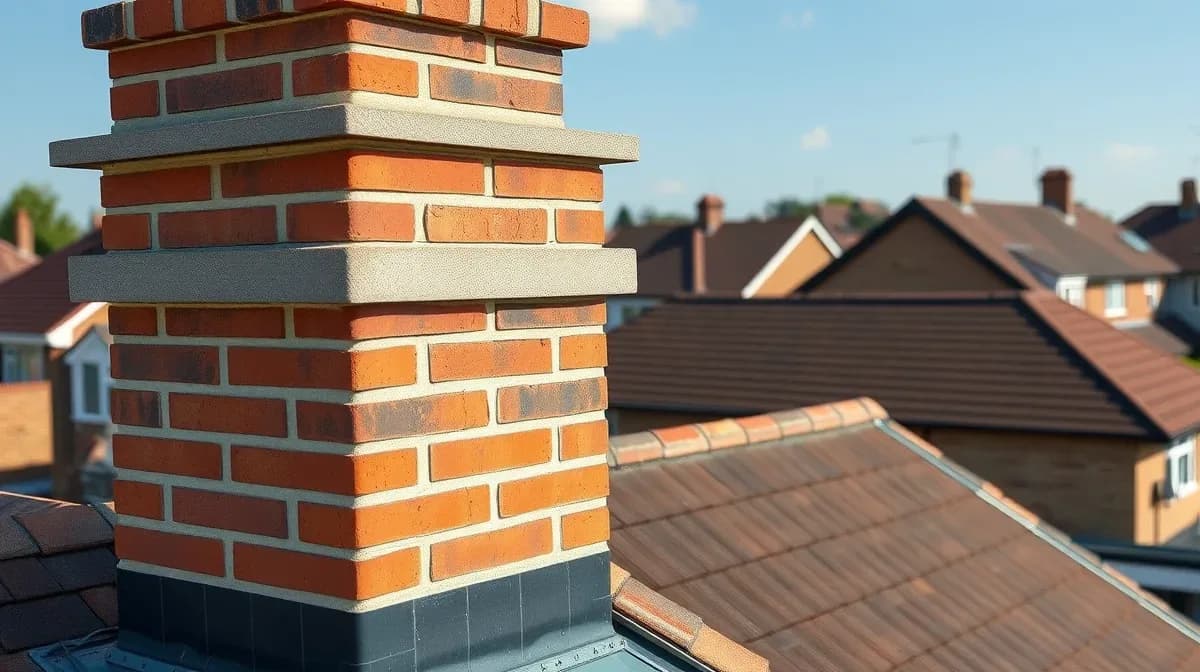
Chimneys & Leadwork
Repointing, flaunching and code 4 lead flashing on stacks that have stood a century.
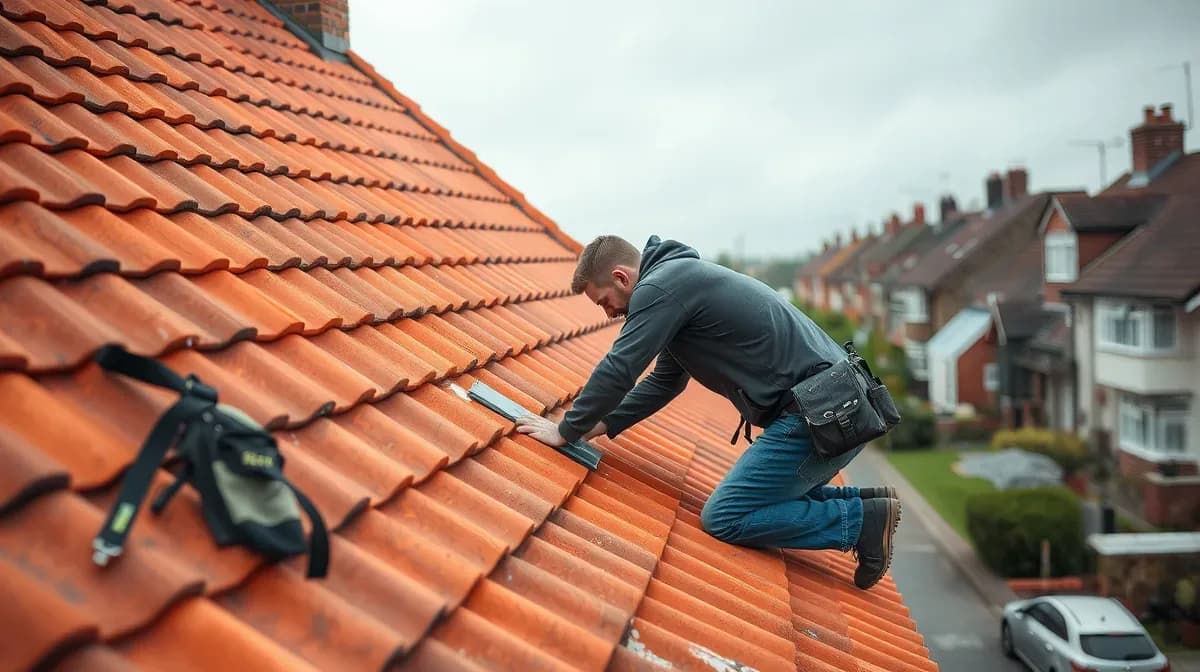
Roof Repairs
Slipped tiles, leaks and storm damage traced to the real cause before anything gets priced.
Re-roofing and roof repairs across Wokingham
Re-roofing and new roofs
Stripping a roof back to the rafters, renewing underlay and battens, and re-covering in the material the building calls for. This is the job worth having done once and properly — a re-roof laid on good timber should see out fifty years.
Roof repairs on tile and slate
Individual slipped and broken tiles, failed ridge lines, tired valleys and lifted flashings. On a roof that is otherwise sound, a repair is the right answer and we will say so rather than talking up a replacement.
Leaking roof repair
Tracking a leak means following it upstream — from the ceiling stain, into the loft, along the rafter, out to whatever is actually letting go. Sealing the tile directly above the damp patch is guesswork, and it is why so many leaks come back.
Emergency roof repairs
Storm work, lifted ridges and anything actively coming through a ceiling. We make it safe and weathertight first and take the photographs that a claim will need, then quote the permanent repair separately.
Slate roofing
Welsh and Spanish slate across the older streets. Slate outlives its own nails, so a roof shedding slates is usually suffering nail sickness rather than worn slate — and a strip, re-nail and re-lay salvaging the sound slates is often both cheaper and more appropriate than a new covering.
Clay plain tile roofing
The 1920s and 30s houses across Wokingham are largely clay plain tile, laid double lap. Machine-made replacements sit differently to hand-made originals, so on a visible elevation we match rather than simply supply.
Concrete tile roofs on the newer estates
Winnersh, Woodley and the later Wokingham estates are interlocking concrete. The tiles have decades left in them; the underlay does not, which is why these roofs start leaking while still looking new from the road.
Roof moss removal and cleaning
Shaded, tree-lined roads through Finchampstead and Hurst grow moss fast. It gets scraped and brushed off by hand — pressure washing drives water under the laps and wears the face off the tile.
Roof surveys and condition reports
A written report with photographs and remaining service life, for a house purchase, a probate sale, or simply knowing whether you have five years left or fifteen before you need to budget.
Heritage and period roofing in Wokingham
Period and conservation-area work is the part of this trade with the least room for improvisation, and it is a large share of what Wokingham actually needs.
Conservation area roofs
Wokingham's town centre conservation area constrains what a roof may be re-covered in and how it must look from the street. Getting that agreed before work starts is far cheaper than being asked to take a finished roof off again.
Listed building roof work
Listed consent is a separate permission from planning and covers materials and detailing, not just shape. We work to like-for-like replacement and keep the evidence a conservation officer will ask for.
Hand-made and peg tile roofs
Older Berkshire roofs carry hand-made clay peg tiles with real variation in colour and camber. Salvaged tiles go on the visible elevations and new stock goes at the back, which is how a repair stops looking like a repair.
Torching and traditional underlay
Many period roofs were never felted — they were torched underneath with haired lime mortar. Ripping that out and sealing the roof tight can trap moisture in old timber, so a breathable build-up is the safer specification.
Oak and softwood roof timber repairs
Splice repairs to rafter feet, wall plates and purlins where rot or beetle has taken the ends. Replacing the failed section beats replacing a sound historic timber.
Sand-cast and milled lead
Period detailing often calls for sand-cast lead rather than modern milled sheet. Either way it is finished with patination oil on the day, or the first rain leaves white carbonate streaks down the tiles beneath it.
Ridge and verge on a period roof
Mortar bedding alone no longer satisfies the fixing standard for ridge and verge. On a period building that means choosing a mechanically fixed detail that is compliant and still looks right, rather than clipping on the cheapest dry system in the van.
Flat roofs, roof windows and garage roofs
EPDM rubber flat roofing
Cold-bonded rubber, which matters on a period property where an open flame near dry historic timber is a risk not worth taking. Manufacturer guarantees on the membrane commonly run to twenty years and beyond.
GRP fibreglass flat roofing
Cured in place, so it wraps upstands, kerbs and awkward junctions in one continuous layer. It is the better call where the roof takes foot traffic or is broken up by pipes and rooflights.
Flat roof replacement on extensions
The single-storey additions built onto Wokingham houses in the 1970s and 80s were felted when they went up and very few have been touched since. Replacement is quick, and it is the cheapest large roofing job most households will ever have.
Garage roof replacement
Detached and integral garage roofs, including the asbestos-cement sheet still found on older garages — which is surveyed and handled under the right procedure, not simply broken up and skipped.
Flat roof skylights and lanterns
A rooflight leaks at the kerb, not at the glass. The upstand height and the way the membrane is dressed up and over it decide whether it is watertight in ten years.
Velux and roof window installation
New openings cut and trimmed, or existing units re-flashed. The flashing kit has to match the tile profile — a slate kit on a profiled tile is the most common reason a roof window drips.
Warm and cold deck construction
Whether the insulation sits above or below the deck changes the physics of the roof entirely. Retro-fitting insulation into an existing cold construction, with the ventilation route pinched off, is a well-known way to create a damp problem where there was none.
Chimneys, leadwork and roofline
Chimney repairs and repointing
Repointing in a mortar mix matched to the original, rebuilding above the tile line, renewing flaunching and repairing pots. On older stacks a soft lime mix matters — a hard cement repoint on soft historic brick pushes the damage into the brick face instead.
Chimney removal and taking down to roof level
Redundant stacks can be taken down below the roofline and the roof closed up invisibly, which removes a maintenance liability and a common leak point in one go.
Lead flashing, soakers and valleys
Stepped flashings chased and wedged into the joint, soakers under each course, and valley lead laid in lengths that allow it to move. Lead that is fitted too long in one piece splits — every time, eventually.
Fascias, soffits and bargeboards
Rotten fascia is what lets a gutter drop. Capping over it hides the timber instead of removing it, so we take the old board off rather than cladding the problem.
Guttering and rainwater goods
Renewed to the correct profile and re-bracketed to a proper fall. Most gutter complaints turn out to be falls and joints rather than holes.
Roof ventilation and loft condensation
Damp in a loft is frequently condensation, not a leak. The cure is airflow at eaves and ridge, not another layer of sealant.
Commercial roofing around Wokingham and Bracknell
Commercial flat roof replacement
Offices, units and community buildings across Wokingham, Winnersh Triangle and Bracknell. These are the biggest roofs we price, and the ones where disruption costs the client more than the roof does.
Single-ply and liquid-applied systems
Single-ply for large clear spans; a liquid-applied overlay where the deck and insulation are still sound and the building cannot be opened up. The overlay option is quoted alongside full replacement so the saving is visible.
Planned maintenance and gutter clearance
Ponding on a flat commercial roof almost always traces back to a blocked drain rather than to a failed membrane. Regular clearing keeps the water moving and keeps a twenty-year roof from behaving like a ten-year one.
Condition surveys and dilapidations
An evidenced view of a roof's condition and remaining life, priced item by item. It gives a facilities manager something defensible to put in a capital plan rather than a round number and a hope.
Work for landlords and managing agents
Repairs and replacements across managed property, with method statements and insurance documentation supplied before instruction rather than chased afterwards.
Roofing prices in Wokingham, and how long the work takes
Material choice makes a bigger difference here than anywhere else in the patch — a conservation-area slate roof and an estate tile roof of identical size are not comparable jobs. Treat the figures below as the usual band for each job, with access included.
| Job | Typical cost | Time on site |
|---|---|---|
| Replace 1–5 tiles | £150 – £450 | Same day |
| Chimney stack repointed | £500 – £1,300 | 1–2 days |
| Garage roof re-covered in EPDM | £1,500 – £2,800 | 1–2 days |
| Full roofline, 3-bed semi | £2,200 – £4,200 | 2–3 days |
| Re-roof, 2-bed terrace | £5,000 – £7,500 | 5–8 days |
Guide ranges for 2026, based on the jobs we price most often. Access, condition and spec move the figure — every job gets a free survey and a fixed price in writing before any work starts.
How a Wokingham roof replacement is run
Step 1 — Survey and identifying the covering
Before anything else we establish what the roof is actually made of. Welsh slate, hand-made clay, machine-made plain tile and interlocking concrete all behave differently and cost differently, and on a street with four of them a quote given without looking is worthless.
Step 2 — Conservation area and consent checks
If the property sits inside the town conservation area or is listed, what the roof may be re-covered in is constrained, and permission takes time. We establish that at the start, because discovering it after the scaffold is up is the most expensive possible moment to find out.
Step 3 — The written quotation
One figure, issued on paper, naming the material and the fixing specification, with access and disposal already counted in. If lifting the covering could expose decayed timber, the rate is agreed beforehand so nothing is renegotiated mid-job.
Step 4 — Scaffold and stripping the roof
Scaffold goes up with the right licence where it reaches the footway. The covering comes off, salvageable slate or tile is set aside for the visible elevations, and the structure is inspected while it is open and accessible.
Step 5 — Re-covering to recognised standards
Breathable underlay, new treated battens, and slating or tiling carried out to the recognised British Standards for the material. Ridge and verge are mechanically fixed, using a detail chosen to suit the building rather than whichever dry system happens to be cheapest.
Step 6 — Handover, guarantees and paperwork
A walk round the finished roof, completion photographs taken from the scaffold, and written guarantees covering both the workmanship and the products. Where consent was needed, you keep the correspondence with the finished job.
Who we work for in Wokingham and Bracknell
Homeowners on the newer estates
Winnersh, Woodley and the modern Wokingham developments, where the tiles are typically fine and the underlay beneath them is not. Straightforward work, straightforwardly priced.
Owners of period and listed property
Conservation-area houses in the town centre and the older village properties, where materials, detailing and consent all matter as much as the roofing itself.
Landlords and managing agents
Repairs and replacements across let and managed property, with documentation, insurance detail and method statements supplied up front.
Commercial premises
Offices, trade units and community buildings across Wokingham, Winnersh Triangle and Bracknell, where the roof usually has to be replaced around a business that cannot stop trading.
Homebuyers acting on a survey
An independent, photographed opinion with costs attached, for when a purchase survey has flagged the roof and left you to work out what that means.
Insurance and storm claims
Making a roof safe immediately, then supplying the dated photographs, written report and priced schedule an insurer needs to assess a claim.
Frequently asked questions
Ready for a free, no-obligation quote?
Call 0118 230 1710